
⬇️ 🇪🇸 Spanish version below
Valentine’s Day works like a machine of cultural repetition: each year it returns a single word to the centre — love — which seems obvious and yet is unstable. What we celebrate is not only a bond between people, but a regime of meaning: a way of looking, of choosing, of justifying belonging. In that context, The Lovers in the tarot are more interesting when read against the romantic interpretation: not as a promise of union, but as a diagram of human choice and its consequences.
The card was not always as we remember it today. In its earliest images, the scene was simple and affirmative: two figures under a clear sky, without conflict, as though love were a natural fact — light falling on skin — rather than a question. It was called L’Amore. Cupid, bow at the ready, crowned the scene as a seal of destiny: celebration and lineage, the idea that the bond is “given”, and therefore needs no interpretation. Two bodies and an arrow were enough.
But symbols, like experience, acquire folds. In time the crack appeared: the lover was no longer a certainty, but a divided subject. The card reorganised itself around a triangular scene: he at the centre; on either side, two figures who summon him. One embodies the youth of desire; the other, the maturity of duty. Above, winged Love aims without looking, as if the impulse were blind — or worse, as if the singularity of the one struck were of no interest. The shift is decisive: the card ceases to be celebration and becomes choice. And when choice appears, responsibility appears too; love stops being nature and becomes an act.
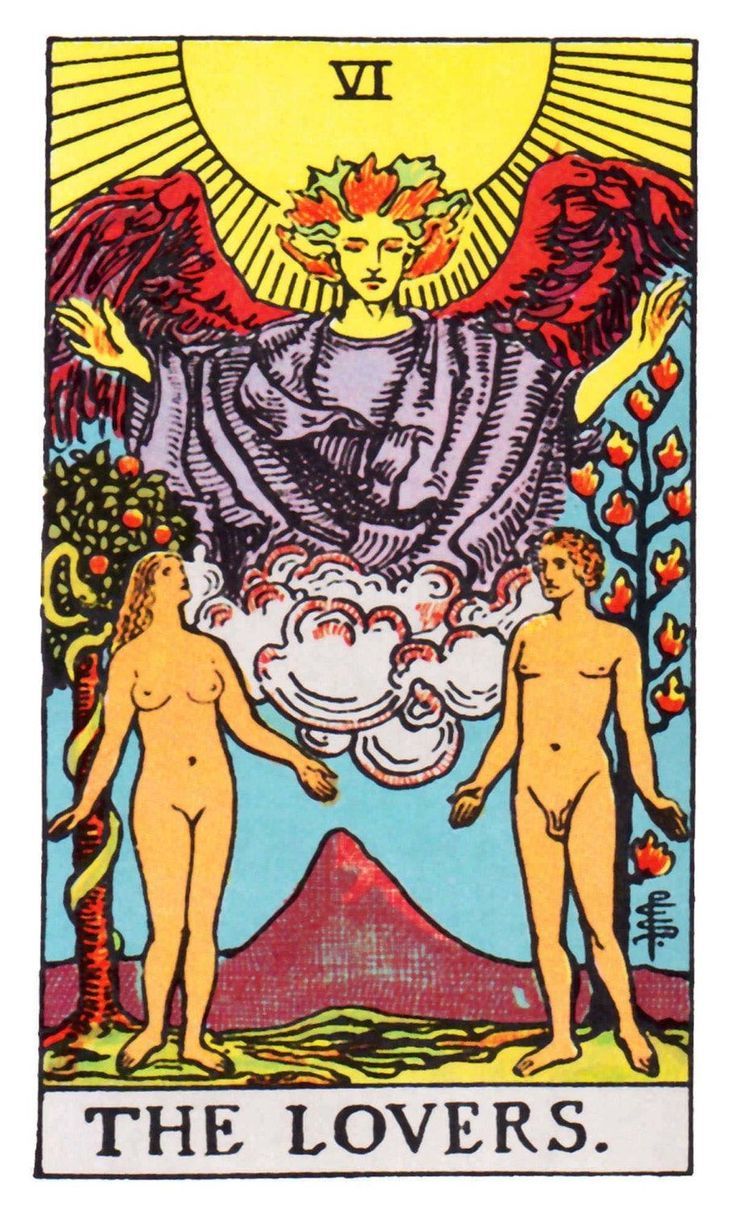
Occultists knew how to read that turn and took it further still. In Waite’s version, Cupid gives way to a solar angel: Raphael, a figure of healing and integration. At his feet, the first couple — naked at the threshold of Eden — no longer represent only “the romantic”, but the human being’s radical vulnerability before the self. Behind the woman, the tree of knowledge and the serpent as a latent promise of what is known and what is desired to be known. Behind the man, the fire of the tree of life as potency and drive. The duality is no longer merely erotic: it becomes cosmic, psychological, almost epistemological. She: desire that knows. He: will that still does not. And above, not a god who shoots, but a presence that illuminates: to choose is not to obey an arrow; it is to listen from within.
From the perspective of the Kabbalah, this card is named with Zain, the sword that separates. The symbol may seem contradictory: what has a sword to do with the lovers? Precisely this: that the heart of the card is not sentimental fusion, but discernment. Zain cuts through the veil of the immediate; it separates reflections from truths, image from soul. In that sense, a loving choice stops being “what I feel” and becomes “what I understand it does to me”. This is not moralising, but clarity: every choice is an operation upon consciousness.
The number six reinforces this reading. It is often associated with harmony and conjunction, but here harmony is not a prior state: it is a resolved tension. The union proposed by the arcanum is not the erasure of opposites, but their integration: an alchemy that preserves distinct natures within a single symbolic body. The sages named it with the idea of coniunctio: sun and moon in one structure, without either dissolving completely. That is why The Lovers do not speak of a “happy ending”, but of complexity: if there is integration, it is because there was separation; if there is synthesis, it is because there was conflict.
“Drinking poison as though it were sweet liqueur, / forgetting what profits, loving what harms.” — Lope de Vega
In The Lovers, then, morality does not occupy the place of punishment, but of revelation. Each decision becomes a small altar because it consecrates something: what one chooses begins to define who chooses. The point is not “to love”, but to embody what is chosen in truth: to become — in behaviour, in daily repetition, in consequences — that to which one says yes.
“Obscenity does not exist. The wound exists.” — Alejandra Pizarnik
If the card is choice, then it is also wound: because we choose from where it hurt. There is, moreover, a psychological reading — sober, not at all metaphorical — that makes The Lovers particularly uncomfortable: the scene of choice not only decides a bond, it also activates an inner economy of value. For a woman, being “the chosen one” can feel like belonging, yes, but also like confirmation of existence: if I am chosen, I am worth something; if I am not chosen, I do not count. In that logic, love stops being relationship and becomes verdict. The problem is not wanting to be chosen; the problem is when the self becomes tied to that gesture as though it were its only proof of reality.
And in that waiting, sometimes, the subject becomes a function: she does not live the bond; she manages the verdict.
“The lover’s fatal identity is precisely this: I am the one who waits.” — Roland Barthes
From the wound of rejection, “not being chosen” is not lived as a situational fact but as identity: it is not “they didn’t choose me”, it is “I am disposable”. The traumatised mind does not register nuances; it registers expulsion. And then vigilance appears: reading signs, anticipating the turn, acting before the worst happens. From the wound of humiliation, by contrast, the scene becomes public even when no one is watching: not being chosen feels like being exposed — “less” — ridiculous for having desired. What hurts there is not only the loss: it is one’s fallen self-image, the body in shame, the sense of having been placed in an inferior position.
The wound of abandonment operates more quietly and for longer: it does not necessarily require an explicit “no”; the threat is enough. It settles as a background question — how long until they leave? — and turns choice into a fragile contract that must be renewed all the time. That is why, at times, what returns “under different names” is not a romantic destiny but a primary scene: the repeated attempt to repair, at last, the moment when one was not chosen, or was chosen with conditions, or was chosen only to be left later.
“It won’t be / it won’t / we won’t live together… / you will never know who I was / why others loved me.” — Idea Vilariño
The card shows more than an affective triangle: it shows a distribution of the power to choose. There is a point that classical iconography leaves almost untouched: in many versions, the centre of the scene is a man, and the drama is organised around his decision. Historically this is not an aesthetic detail: it reflects a social distribution of affective power. But if one looks without turning it into a moral judgement, something harsher appears: the “one who chooses” is also captured by the choice. Being the one who decides is not always a privilege lived as freedom; sometimes it is a burden, a script, pressure to manage consequences and sustain an identity.
Because for him, choosing can become an operation of control: choosing “well” so as not to lose status, not to fail, not to be singled out. The choice becomes public even when it happens in private: the idea of seeming cowardly, indecisive, or cruel weighs heavily; so does the mandate to demonstrate clarity, potency, virility, direction. And when desire does not coincide with duty, a villain does not necessarily appear: what appears is tearing. Like someone living “between two waters”: without firm ground, trying to hold two loyalties that exclude each other, oscillating between impulse and norm, between what he wants and what he should. Being at the centre does not mean being at peace; it means being exposed to error. In that exposure, many men learn to choose not what is true, but what is defensible.
That is why the question “why does it have to be the man who decides?” not only points to the historical injustice of that distribution; it also points to the psychic trap the distribution produces. If culture assigns him the role of arbiter, he may end up confusing love with administration: measuring, postponing, negotiating with himself, avoiding conflict, choosing from fear. And at the same time, if he renounces that role, he may feel he loses value or place. He is neither victim nor executioner: he is a subject cut through by a structure that trains him to turn the bond into a performance test.
There is also a more lucid possibility: to look at the dilemma between desire and duty and suspect that it is not fate, but a learnt mould, as though they were poles destined to be distributed between different people and always to demand a renunciation. That premise is false because it turns the bond into moral bookkeeping: one chooses in order not to fail, or desires in order not to die, and in both cases a part of the soul is left without shelter — a zone that was not integrated and therefore returns, insistent, under other names. But when the choice is complete — when it truly satisfies the soul — it does not separate: it combines. It makes desire conscious and makes duty alive; it stops demanding sacrifice as proof and produces an intimate synthesis in which wanting and sustaining no longer exclude each other.
Are you capable of choosing someone who fills you completely, or only someone who fits your wound?
Hence the phrase the card seems to murmur from the depths: there are two and there are three. The one who loves, the loved object, and the force that gives them meaning. Desire pushes. The norm orients. But between the two, if there is such a thing as “true love”, it is not an emotion: it is a choice sustained by the whole soul.
Seen this way, The Lovers stop speaking of “choosing someone” and begin to speak of something prior: choosing oneself. Not as narcissism, but as individuation: gathering the parts that beg for approval, the parts that compete to be preferred, the parts that fear rejection or ridicule, and also those that need to control so as not to be abandoned. To choose oneself is to stop using love as a tribunal.
“The bird fights its way out of the egg. The egg is the world.” — Hermann Hesse
Perhaps, then, the final choice of this card is not between two people, nor between desire and duty, but between two ways of being in relationship: the mode that repeats a wound in search of repair, and the mode that enters from an identity that is no longer negotiated. Only someone who can say a yes to themselves — without spectacle, without impossible conditions — can take part in any bond without turning it into a sentence. (In classical terms, Jung calls that movement “individuation”: a “coming to oneself” that entails stripping away the wrappings of the persona and the suggestion of primordial images.)
And that is the true question the arcanum leaves hanging in the air: if love returns again and again under different names, what part of me insists on being chosen… and what part, at last, is ready to choose with awareness?
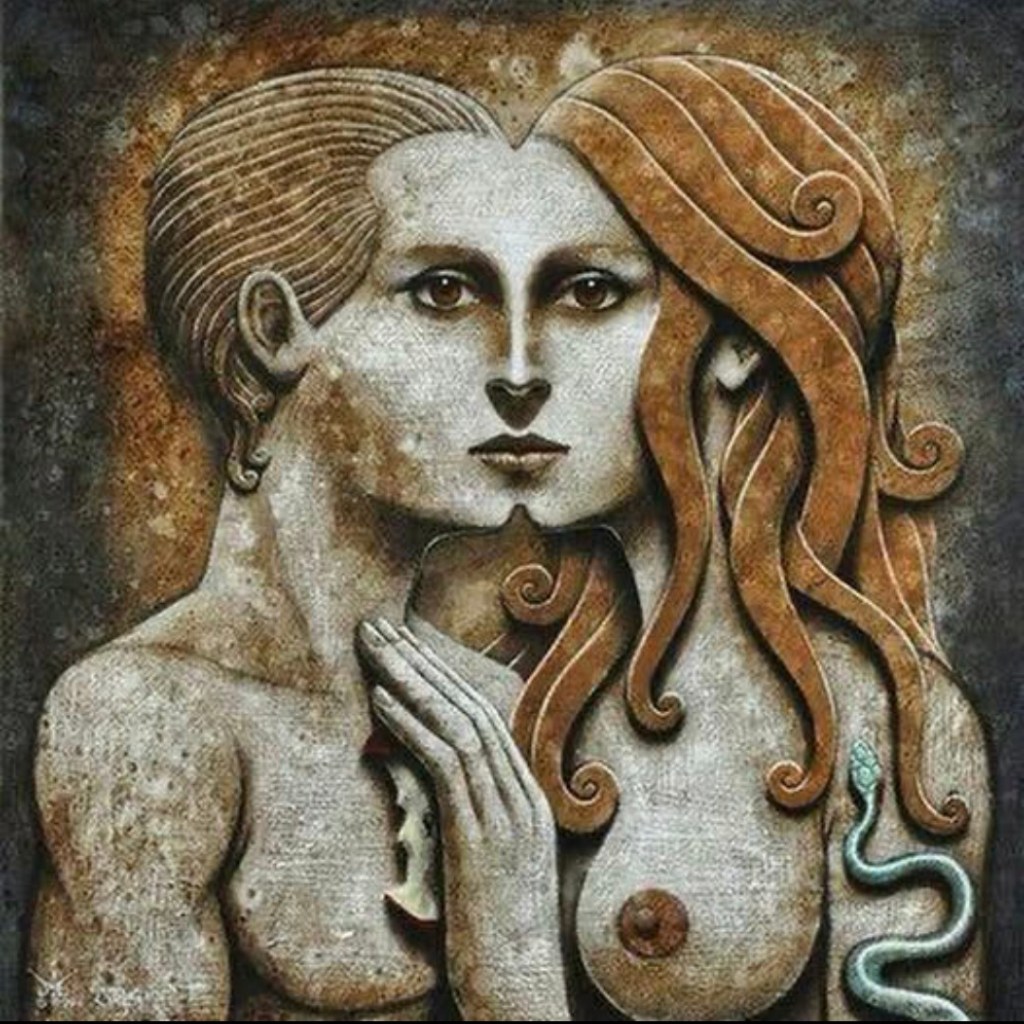

Los Enamorados
San Valentín funciona como una máquina de repetición cultural: cada año devuelve al centro una palabra —amor— que parece obvia y, sin embargo, es inestable. Lo que celebramos no es solo un vínculo entre personas, sino un régimen de sentido: una forma de mirar, de elegir, de justificar la pertenencia. En ese contexto, Los Enamorados del tarot resultan más interesantes cuando se los lee contra la lectura romántica: no como promesa de unión, sino como un diagrama de la elección humana y sus consecuencias.
La carta no siempre fue como hoy la recordamos. En sus primeras imágenes, la escena era sencilla y afirmativa: dos figuras bajo un cielo despejado, sin conflicto, como si el amor fuera un hecho natural —la luz cayendo sobre la piel— y no una pregunta. Se llamaba L’Amore. Cupido, con el arco dispuesto, coronaba la escena como sello de destino: celebración y linaje, la idea de que el vínculo está “dado”, y por tanto no necesita interpretación. Dos cuerpos y una flecha bastaban.
Pero los símbolos, como la experiencia, ganan pliegues. Con el tiempo llegó la grieta: el amante ya no fue una certeza, sino un sujeto dividido. La carta se reorganizó en torno a una escena triangular: él en el centro; a los lados, dos figuras que lo convocan. Una encarna la juventud del deseo; la otra, la madurez del deber. Arriba, el Amor alado apunta sin mirar, como si la pulsión fuera ciega o, peor, como si no le interesara la singularidad de quien recibe el impacto. El desplazamiento es decisivo: la carta deja de ser celebración y se convierte en elección. Y cuando la elección aparece, también aparece la responsabilidad; el amor deja de ser naturaleza para volverse acto.
Los ocultistas supieron leer ese giro y lo llevaron aún más lejos. En la versión de Waite, Cupido cede su lugar a un ángel solar: Rafael, figura de sanación y de integración. A sus pies, la pareja primera —desnuda ante el umbral del Edén— ya no representa solo “lo romántico”, sino la vulnerabilidad radical del humano frente a sí mismo. Detrás de la mujer, el árbol del conocimiento y la serpiente como promesa latente de lo que se sabe y lo que se desea saber. Detrás del hombre, el fuego del árbol de la vida como potencia y empuje. La dualidad ya no es meramente erótica: se vuelve cósmica, psicológica, casi epistemológica. Ella: el deseo que sabe. Él: la voluntad que aún ignora. Y arriba, no un dios que dispara, sino una presencia que ilumina: elegir no es obedecer una flecha; es escuchar desde dentro.
Desde la Cábala, esta carta se nombra con Zain, la espada que separa. El símbolo puede parecer contradictorio: ¿qué tiene que ver una espada con los enamorados? Precisamente eso: que el núcleo de la carta no es la fusión sentimental, sino el discernimiento. Zain corta el velo de lo inmediato; separa reflejos de verdades, imagen de alma. En ese sentido, la elección amorosa deja de ser “lo que siento” y pasa a ser “lo que comprendo que me hace”. No se trata de moralina, sino de claridad: toda elección es una operación sobre la conciencia.
El número seis refuerza esta lectura. Se suele asociar a armonía y conjunción, pero aquí la armonía no es un estado previo: es una tensión resuelta. La unión que propone el arcano no es el borrado de lo opuesto, sino su integración: una alquimia que conserva naturalezas distintas dentro de un mismo cuerpo simbólico. Los sabios lo nombraron con la idea de coniunctio: sol y luna en una sola estructura, sin que ninguno se disuelva por completo. Por eso Los Enamorados no hablan del “final feliz”, sino de la complejidad: si hay integración, es porque hubo separación; si hay síntesis, es porque hubo conflicto.
«Beber veneno por licor suave, / olvidar el provecho, amar el daño». — Lope de Vega
En Los Enamorados, entonces, la moral no ocupa el lugar del castigo, sino el de la revelación. Cada decisión se vuelve un pequeño altar porque consagra algo: lo que se elige empieza a definir quién elige. El punto no es “amar”, sino encarnar lo elegido con verdad: convertirse —en conducta, en repetición cotidiana, en consecuencias— en aquello a lo que se dice sí.
«La obscenidad no existe. Existe la herida». — Alejandra Pizarnik
Si la carta es elección, entonces también es herida: porque elegimos desde donde dolió. Hay, además, una lectura psicológica —sobria, nada metafórica— que vuelve a Los Enamorados particularmente incómodos: la escena de la elección no solo decide un vínculo, también activa una economía interna de valor. Para una mujer, ser “la elegida” puede sentirse como pertenencia, sí, pero también como confirmación de existencia: si me eligen, valgo; si no me eligen, no cuento. En esa lógica, el amor deja de ser relación y se convierte en veredicto. El problema no es querer ser elegida; el problema es cuando el yo queda atado a ese gesto como si fuera su única prueba de realidad.
Y en esa espera, a veces, el sujeto se convierte en función: no vive el vínculo, administra el veredicto.
«The lover’s fatal identity is precisely this: I am the one who waits.» — Roland Barthes
Desde la herida de rechazo, “no ser elegida” no se vive como un hecho situacional sino como identidad: no es “no me escogieron”, es “soy descartable”. La mente traumatizada no registra matices; registra expulsión. Y entonces aparece la vigilancia: leer señales, anticipar el giro, actuar antes de que ocurra lo peor. Desde la herida de humillación, en cambio, la escena se vuelve pública aun cuando nadie mire: no ser elegida se siente como quedar expuesta, “menos”, ridícula por haber deseado. Ahí no duele solo la pérdida: duele la imagen propia caída, el cuerpo con vergüenza, la sensación de haber sido puesta en un lugar inferior.
La herida de abandono opera de modo más silencioso y más largo: no exige necesariamente el “no” explícito; le basta la amenaza. Se instala como pregunta de fondo —¿cuánto falta para que se vayan?— y convierte la elección en un contrato frágil que hay que renovar todo el tiempo. Por eso, a veces, lo que retorna “bajo distintos nombres” no es un destino amoroso sino una escena primaria: el intento repetido de reparar, por fin, el momento en que no se fue elegida, o se fue elegida con condiciones, o se fue elegida para luego ser dejada.
«Ya no será / ya no / no viviremos juntos… / nunca sabrás quién fui / por qué me amaron otros». — Idea Vilariño
La carta muestra algo más que un triángulo afectivo: muestra un reparto del poder de elegir. Hay un punto que la iconografía clásica deja casi intacto: en muchas versiones, el centro de la escena es un hombre, y el drama se organiza alrededor de su decisión. Históricamente no es un detalle estético: responde a un reparto social del poder afectivo. Pero si se mira sin convertirlo en juicio moral, aparece algo más áspero: el “que elige” también queda capturado por la elección. Ser quien decide no siempre es privilegio vivido como libertad; a veces es carga, guion, presión por administrar consecuencias y sostener una identidad.
Porque para él, elegir puede convertirse en una operación de control: decidir “bien” para no perder estatus, para no fallar, para no ser señalado. La elección se vuelve pública aunque ocurra en privado: pesa la idea de quedar como cobarde, indeciso, o cruel; pesa el mandato de demostrar claridad, potencia, virilidad, dirección. Y cuando el deseo no coincide con el deber, no aparece necesariamente un villano: aparece el desgarramiento. Como quien vive “entre dos aguas”: sin suelo firme, tratando de sostener dos lealtades que se excluyen, oscilando entre la pulsión y la norma, entre lo que quiere y lo que debe. Quedar en el centro no significa estar en paz; significa estar expuesto al error. En esa exposición, muchos hombres aprenden a elegir no lo verdadero, sino lo defendible.
Por eso la pregunta “¿por qué tiene que ser el hombre el que decide?” no solo apunta a la injusticia histórica del reparto; apunta también a la trampa psíquica que ese reparto produce. Si la cultura le asigna el rol de árbitro, él puede terminar confundiendo amor con administración: medir, postergar, negociar consigo mismo, evitar el conflicto, elegir desde el miedo. Y al mismo tiempo, si renuncia a ese rol, puede sentir que pierde valor o lugar. No es víctima ni verdugo: es un sujeto atravesado por una estructura que lo entrena para convertir el vínculo en una prueba de rendimiento.
También existe una posibilidad más lúcida: mirar la disyuntiva entre deseo y deber y sospechar que no es un destino, sino un molde aprendido, como si fueran polos destinados a repartirse entre personas distintas y a exigir siempre una renuncia. Ese planteamiento es falso porque convierte el vínculo en contabilidad moral: se elige para no fallar, o se desea para no morirse, y en ambos casos queda una parte del alma sin alojamiento, una zona que no fue integrada y que por eso regresa, insistente, bajo otros nombres. Pero cuando la elección es completa —cuando de verdad satisface el alma— no separa: combina. Vuelve consciente al deseo y vuelve vivo al deber; deja de pedir sacrificio como prueba y produce una síntesis íntima, donde querer y sostener ya no se excluyen.
¿Eres capaz de elegir a quien te llena por completo, o solo a alguien que encaja con tu herida?
De ahí la frase que la carta parece murmurar desde el fondo: son dos y son tres. El que ama, el objeto amado, y la fuerza que les da sentido. El deseo empuja. La norma orienta. Pero entre ambos, si existe algo como “amor verdadero”, no es una emoción: es una elección sostenida por el alma entera.
Visto así, Los Enamorados dejan de hablar de “elegir a alguien” y empiezan a hablar de algo previo: elegirse a uno mismo. No como narcisismo, sino como individuación: reunir las partes que mendigan aprobación, las partes que compiten por ser preferidas, las partes que temen el rechazo o el ridículo, y también las que necesitan controlar para no ser abandonadas. Elegirse es dejar de usar el amor como tribunal.
«The bird fights its way out of the egg. The egg is the world.» — Hermann Hesse
Quizá, entonces, la elección final de esta carta no sea entre dos personas, ni entre deseo y deber, sino entre dos modos de estar en relación: el modo que repite una herida buscando reparación, y el modo que entra desde una identidad que ya no se negocia. Solo quien puede decirse un sí propio —sin espectáculo, sin condiciones imposibles— puede participar de cualquier vínculo sin convertirlo en sentencia. (En términos clásicos, Jung llama a ese movimiento “individuación”: una “venida a sí” que implica despojarse de las envolturas de la persona y de la sugestión de las imágenes primordiales.)
Y esa es la pregunta verdadera que el arcano deja en el aire: si el amor retorna una y otra vez bajo distintos nombres, ¿qué parte de mí insiste en ser elegida… y qué parte, por fin, está lista para elegir con conciencia?
 Trilingual Blog
Deja un comentario